Tree pruning is not just about shaping your garden; it’s also about maintaining its health. It’s a crucial process that supports tree health, structure, and safety. From young saplings to mature trees, pruning plays a vital role in promoting strong, disease-resistant growth. Whether you’re managing a small garden in Northamptonshire or a larger property in Cambridgeshire, regular tree care makes all the difference.
The Role of Pruning in Tree Health
Encouraging Strong Growth Patterns
When trees are young, formative pruning helps them develop a strong framework. By removing weak, crossing, or poorly attached branches early on, you guide the tree’s energy into a balanced structure that can withstand strong winds and heavy foliage.
Reducing the Risk of Disease
Dead, dying, or diseased branches become entry points for rot, fungi, and pests. Regular pruning removes these hazards before they spread. It also allows more air and light into the canopy, discouraging damp conditions that favour disease.
Improving Circulation and Sunlight
Dense canopies trap moisture and reduce light penetration. Thinning the crown allows sunlight and airflow to reach inner branches and nearby plants. This lowers the risk of mildew and encourages healthy leaf and bud development.
Safety and Structural Benefits
Preventing Property Damage
Overhanging branches pose risks to roofs, fences, sheds, and vehicles. Proper pruning reduces these threats without compromising the tree’s shape. This is especially important during stormy UK winters, where heavy branches can snap and cause damage.
Minimising the Risk of Falling Limbs
Weak or dead limbs may fall without warning. Removing them before they drop protects your family, pets, and neighbours. It’s a key reason why tree pruning is crucial for promoting healthy growth and maintaining safe outdoor spaces.
Maintaining Clear Access
Trees near driveways, footpaths, or overhead lines require controlled growth. Pruning prevents obstruction and ensures compliance with local regulations around public safety and access.
The Right Way to Prune Trees
Choosing the Correct Time of Year
The best time to prune most trees is during late winter or early spring when sap flow is reduced. For some species, summer pruning may be more appropriate. Avoid pruning during periods of new growth or just before leaf drop.
Using Proper Tools and Techniques
Sharp, clean tools make precise cuts that heal faster. Prune just outside the branch collar, avoiding stubs. Remove no more than 25% of a tree’s crown in a single season to reduce stress.
Knowing What to Remove
Focus on removing:
- Dead or dying branches
- Crossing or rubbing branches
- Suckers and water sprouts
- Branches growing inward or downward
Each cut should improve the overall structure and allow better air and light penetration.
Species-Specific Considerations
Deciduous Trees
Most deciduous trees benefit from winter pruning when they are dormant. This is when the branch structure is visible, and stress is reduced. Species like oak, beech, and ash respond well to structural shaping at this time.
Evergreen Trees
Evergreens require lighter pruning. Only trim new growth, and whenever possible, avoid cutting into old wood. Prune in early spring or late summer, depending on the variety.
Fruit Trees
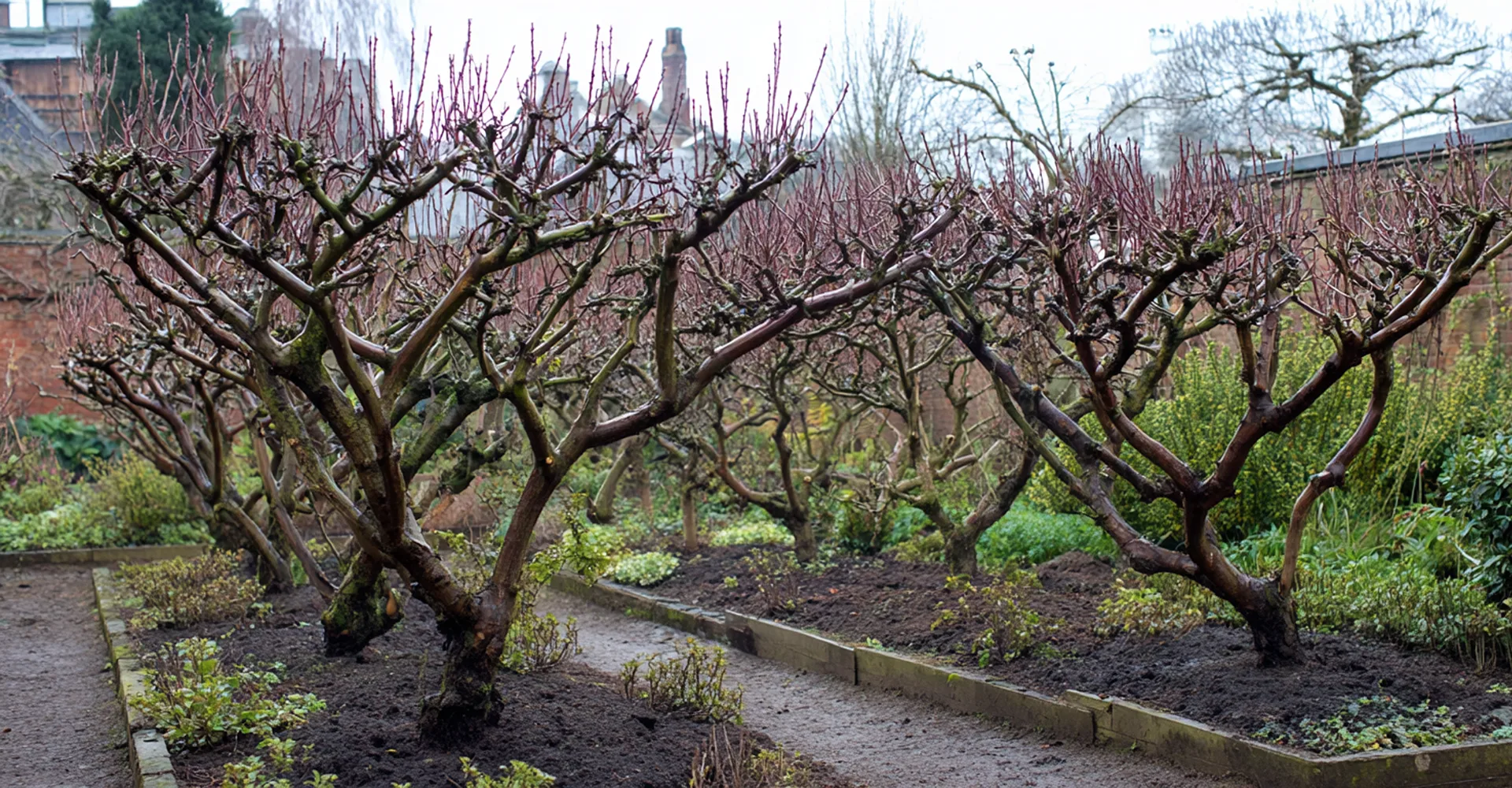
Fruit trees, such as apples and pears, require regular pruning to produce high-quality crops. Remove competing leaders, thin the canopy, and promote outward growth. Avoid pruning during frosty periods.
Environmental and Visual Benefits
Enhancing Kerb Appeal
Well-pruned trees frame your garden, enhancing the visual appeal of your property. Clean lines, balanced shapes, and healthy foliage all contribute to a well-kept appearance.
Supporting Local Wildlife
By creating an open, healthy canopy, you encourage nesting birds, pollinators, and beneficial insects. Deadwood habitats can be preserved safely by retaining specific branches in low-traffic areas.
Sustainable Garden Management
Tree pruning is essential for promoting healthy growth and supporting sustainable gardening practices. It reduces the need for chemical treatments, allows better integration with surrounding plants, and extends the lifespan of your trees.
Common Tree Pruning Mistakes to Avoid
Over-Pruning
Removing excessive foliage can stress the tree and increase its disease susceptibility. Stick to targeted cuts and spread major work across several seasons if needed.
Topping Trees
Topping is the harmful removal of a tree’s upper crown. It ruins shape, weakens growth, and often leads to long-term decline. Always shape the crown properly rather than removing it.
Using Blunt Tools
Poorly maintained tools cause ragged cuts that heal slowly. Use sharp secateurs, saws, and loppers, and keep clean blades between trees to prevent cross-contamination.
Professional Tree Pruning Services in the UK
When to Hire a Professional
Large trees, those near power lines, or those with complex issues, require expert care. Arborists assess tree health, plan precise cuts, and carry out work safely using the right equipment.
What to Expect from a Qualified Arborist
Professional pruning includes:
- Health assessments
- Risk reduction
- Clean-up and disposal of debris
- Advice on aftercare and watering
Long-Term Value
Regular expert care increases your tree’s lifespan and prevents costly damage later. If you want to know why tree pruning is essential for healthy growth, look at how trees thrive after skilled pruning.
Protect Your Garden’s Future with Proper Tree Pruning
Tree pruning is not just a task – it’s a long-term investment in the health, beauty, and safety of your garden. From disease prevention to shape control, the benefits are clear. Understanding why tree pruning is essential for healthy growth helps you make better decisions for your property. Whether you handle it yourself or call in the pros, make pruning part of your regular garden care.